TLDR
Pedretti Gaming’s Tales of the Arabian Nights remake will be sold as a $10,999 Legacy Edition with the original art package and a $11,999 30th Anniversary Edition featuring completely new Brian Allen artwork. The Anniversary model is limited to 399 games.
Both editions add a large HD display, extensive RGB lighting, connected features, upgraded presentation, and a choice between original-style code and an enhanced code branch. Pinside reaction remains divided over Pedretti’s track record and the new art, but interest is growing as players see how much has been added beyond a simple reproduction.
A Williams Classic Returns After 30 Years
The original Tales of the Arabian Nights was released by Williams in 1996. Designed by John Popadiuk, it combined seven fantasy tales with the spinning Magic Lamp, Genie bash toy, magnets, multiballs, ramps, and the distinctive Shooting Stars posts that could rise around the outlanes to save the ball. Williams produced 3,128 machines.
It remains one of the most admired games of its era. As of July 2026, the original holds an 8.477 Pinside rating and ranks No. 36 in the site’s Top 100. Its median marketplace asking price over the previous year was approximately $11,200.
That context explains why a remake matters. This is not a forgotten title being revived because the license was inexpensive. Original machines remain desirable, costly, and increasingly difficult to find in clean condition.
Pedretti Gaming officially revealed its remake in June 2026 in partnership with Planetary Pinball Supply. Two editions are planned, each preserving the original physical game while modernizing the electronics, lighting, display, connectivity, and presentation.
The Legacy Edition Keeps the Original Art
The Legacy Edition is the faithful version.
It uses the original 1996 artwork package and adds black-speckled Night Sky metal trim. Its United States MSRP is $10,999 before shipping and taxes, with initial 2026 production planned for up to 500 machines. Additional runs may be possible if demand supports them.
This is likely to be the safer visual choice for collectors who regard Pat McMahon’s original artwork as inseparable from the game.
The Legacy Edition is not intended to be a bare-bones reproduction. It receives the same major display, lighting, sound, electronics, connected features, and code options as the more expensive model. The primary distinction is the artwork, trim, and limited-edition presentation.
The 30th Anniversary Edition Reimagines the Game
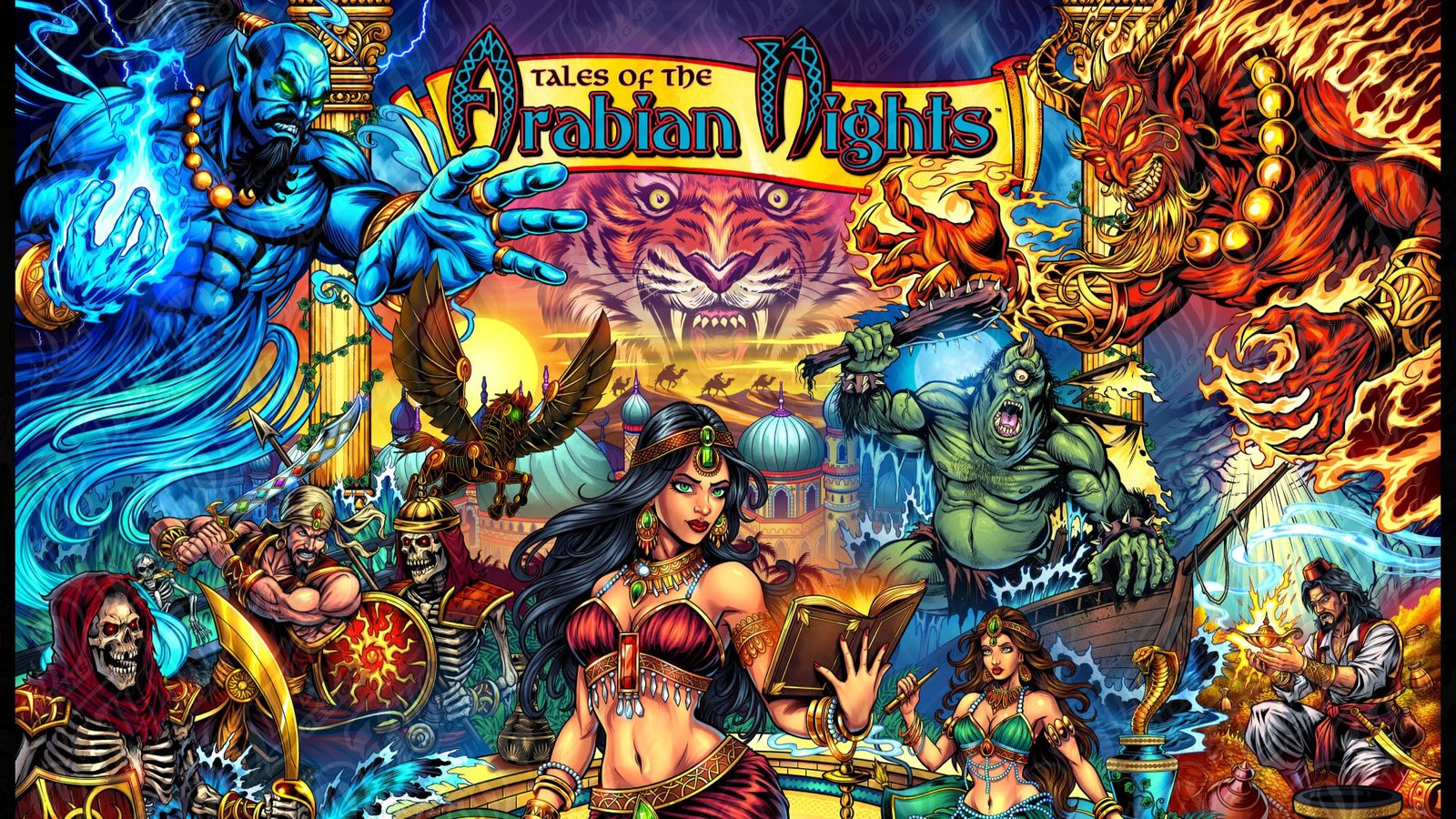
The 30th Anniversary Edition features a completely new hand-drawn art package by Brian Allen and Flyland Designs. The redesign covers the cabinet, playfield, plastics, and translite, and is paired with Purple Glitter metal trim. Production is strictly limited to 399 machines worldwide, priced at $11,999 before shipping and taxes.
The visual change is substantial. This is not an alternate translite placed on an otherwise faithful reproduction. It gives the entire machine a brighter, more modern fantasy presentation.
That choice has naturally divided collectors.
Recent Pinside comments show support for having both packages. Some players appreciate that original-art purists can choose the Legacy Edition while buyers wanting a more colorful refresh have the Anniversary Edition. Others like Brian Allen’s work but are uncertain about the purple trim or worry that too many remakes may begin sharing a similar modern illustration style.
The split is largely a matter of taste, and offering both versions is the sensible solution. Buyers are not being forced to accept a replacement for the original artwork.
Both Editions Receive Extensive Modernization
The remake replaces the original dot-matrix display with a 21.5-inch HD LCD and adds updated visual content. It also includes RGB lighting throughout much of the machine, including the playfield, general illumination, speakers, sidebars, apron, backbox, Magic Lamp, and Genie.
Additional shared equipment includes:
- Premium sound system
- Shaker motor
- Internally illuminated Genie
- RGB lighting inside the Magic Lamp
- Illuminated playfield back panel
- GameSync RGB speakers and sidebars
- Glowing star effects on the ramps
- Invisible Magic Glass
- Infinite Mirror side rails
- Updated Genie and Lamp presentation
- FAST Pinball electronics
- Integrated Scorbit connectivity
- Software updates through Wi-Fi or wired LAN
These changes do not alter the fundamental Popadiuk layout, but they should substantially change how the game looks and reacts during play.
The lighting may be the remake’s most important upgrade. The original is already known for spectacle, particularly around the Genie, lamp, magnets, and multiballs. Reactive RGB effects can strengthen those moments without requiring Pedretti to redesign the physical game.
What Does the Enhanced Code Actually Add?
Both editions include two code options:
- Version 1.0: intended to preserve the original experience
- Version 1.5: an enhanced presentation and adjustment package
The enhanced code adds new display animations, atmospheric RGB light shows, additional settings, bug fixes, and broader presentation improvements. Current published descriptions say that it preserves the original basic gameplay rather than replacing it with an entirely new rules structure.
That distinction matters.
The remake is not currently being sold as Tales of the Arabian Nights with a completely redesigned modern Stern-style campaign, deep progression tree, or dozens of new modes. The initial 1.5 package appears more focused on making the original game feel richer, more configurable, and better integrated with the new display and lighting.
Recent Pinside discussion indicates that owners are interested in further code expansion, and some posts refer to plans for continued development. The extent of future rule additions remains an open question, however. Buyers should evaluate the included code rather than assuming an unannounced transformation will arrive later.
Pinside Interest Is Growing, but Skepticism Remains
The Pinside hype thread has grown beyond 700 posts with more than 200 participants. Recent discussion has shifted toward art choices, deposits, upcoming public appearances, lighting, and code, suggesting the remake is beginning to feel like a real product rather than a distant rumor.
There is still meaningful skepticism.
Some Pinsiders remain wary because of Pedretti’s earlier Funhouse remake, citing concerns about software, mechanical execution, communication, deposits, and production experience. Several commenters said they would have preferred Chicago Gaming Company to handle the project.
Others have argued that Pedretti’s products improved after their initial rollout and that the company has made significant changes for Tales of the Arabian Nights. The remake uses an all-new software team while remaining on FAST Pinball hardware. Pedretti has also partnered with Athyrio Games for software and visual presentation.
The cautious position is reasonable: the feature list is strong, but final judgment should wait for production machines, substantial gameplay footage, and reports from ordinary owners.
Is the Remake a Better Value Than an Original?
The pricing places the remake directly against clean original machines.
The Legacy Edition costs approximately $10,999 before delivery and tax. The original’s recent median Pinside asking price was around $11,200, with restored or exceptional examples often listed higher.
That means the remake is not primarily a cheap alternative. Instead, it offers a different value proposition:
Reasons to Choose the Remake
- New machine rather than a 30-year-old restoration
- Modern electronics and display
- Extensive RGB lighting
- Integrated connected features
- Updated software and adjustments
- New parts rather than worn ramps, plastics, wiring, and mechanisms
- Choice of original or new artwork
- Manufacturer and distributor support
Reasons to Choose an Original
- Authentic Williams WPC-95 hardware
- Original cabinet, playfield, sound, and display presentation
- Established long-term collectibility
- Known gameplay and mechanical behavior
- No need to wait for production or early software updates
- Proven restoration and aftermarket ecosystem
The remake makes the most sense for someone who wants a new, visually upgraded Tales of the Arabian Nights, not necessarily someone searching for the least expensive path to the layout.
Our Take
The remake is becoming more interesting because Pedretti has resisted making it a simple reproduction with LED bulbs and a new serial plaque.
The two-art-package strategy respects both kinds of buyers. The Legacy Edition preserves the visual identity collectors remember, while the Anniversary Edition gives Brian Allen room to reinterpret the entire game. The modern display, lighting, sound, connected features, and dual-code structure add tangible reasons to consider the remake over an original.
The code remains the biggest opportunity. Version 1.5 appears to improve atmosphere and presentation without dramatically changing the underlying game. If Athyrio and Pedretti continue expanding it carefully, the remake could offer greater home-use longevity without losing the fast, direct structure that made the original appealing.
But buyers should not overlook the remaining questions:
- Will production quality be consistent?
- Will the Genie, lamp, magnets, ramps, and Shooting Stars mechanisms arrive properly dialed in?
- Will the enhanced code receive meaningful ongoing development?
- How quickly will replacement parts and service be available?
- When will allocated machines actually ship?
The concept is persuasive. The real test begins when production games reach owners.
Frequently Asked Questions
How much does the Tales of the Arabian Nights remake cost?
The Legacy Edition carries a U.S. MSRP of $10,999, while the limited 30th Anniversary Edition is $11,999, before shipping and taxes.
What is different about the two editions?
The Legacy Edition uses the original artwork and Night Sky trim. The Anniversary Edition has completely new Brian Allen artwork, Purple Glitter trim, and a worldwide limit of 399 games. The major hardware and software features are shared.
Does the remake have new rules?
The enhanced 1.5 code adds animations, RGB effects, settings, fixes, and presentation improvements while retaining the original basic gameplay. It is not currently described as a complete rules rewrite.
Can players use the original code?
Yes. Both editions are advertised with an original-style 1.0 code option and the enhanced 1.5 code package.
Who created the new artwork?
Brian Allen and Flyland Designs created the Anniversary Edition’s new cabinet, playfield, plastics, and translite artwork.
When will the remake ship?
Pedretti has allocated 2026 production, but a firm public delivery schedule for all buyers has not been established. Recent Pinside discussion still reflects uncertainty about initial shipments.
https://pinside.com/pinball/forum/topic/tales-of-the-arabian-nights-remake/page/2
https://www.kineticist.com/news/totan-remake-launch